Reduce direct compression
A compatible line sits inside a dedicated channel instead of directly under the door seal.
 EV Cable Defender
EV Cable Defender • EVCD
A branded garage-door pass-through family designed to help reduce direct compression on compatible EV charging cables, cords, hoses, and low-voltage lines.
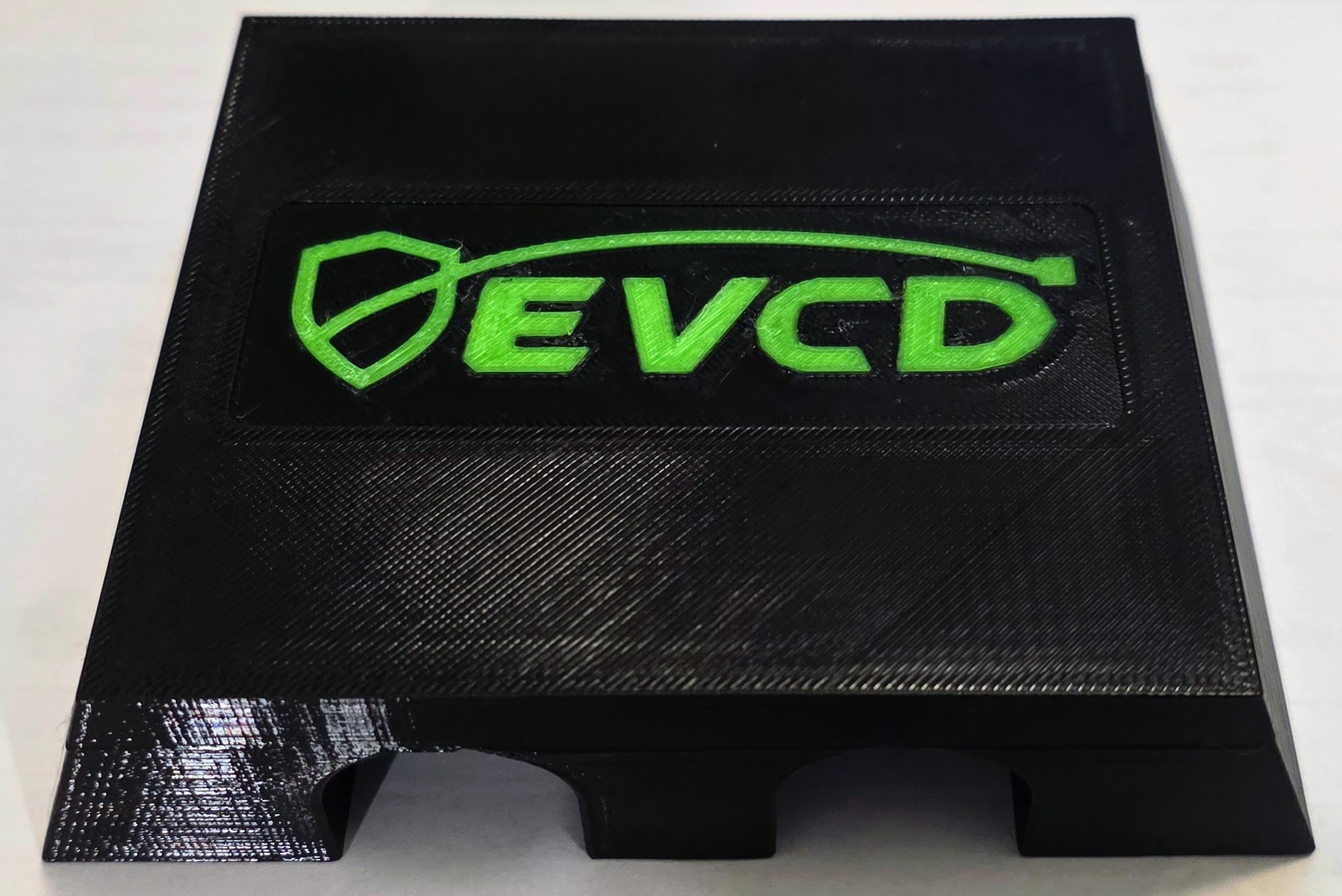 Ridge Trio • three channels • clean product view
Born from a damaged charger
EVCD began with a practical lesson: repeatedly closing a garage door directly on a charging cable can create a damaging pinch point. The Defender gives a correctly sized line a shaped route beneath the door so the door bears on the guard instead of directly on the cable.
No protector can guarantee against damage. Confirm fit, alignment, door clearance, and safe equipment operation before every use.
Built and checked in Washington
Clean production photography shows the current black PETG guards, the green EVCD mark, and the charger cable the product was designed to help route beneath a closed garage door.
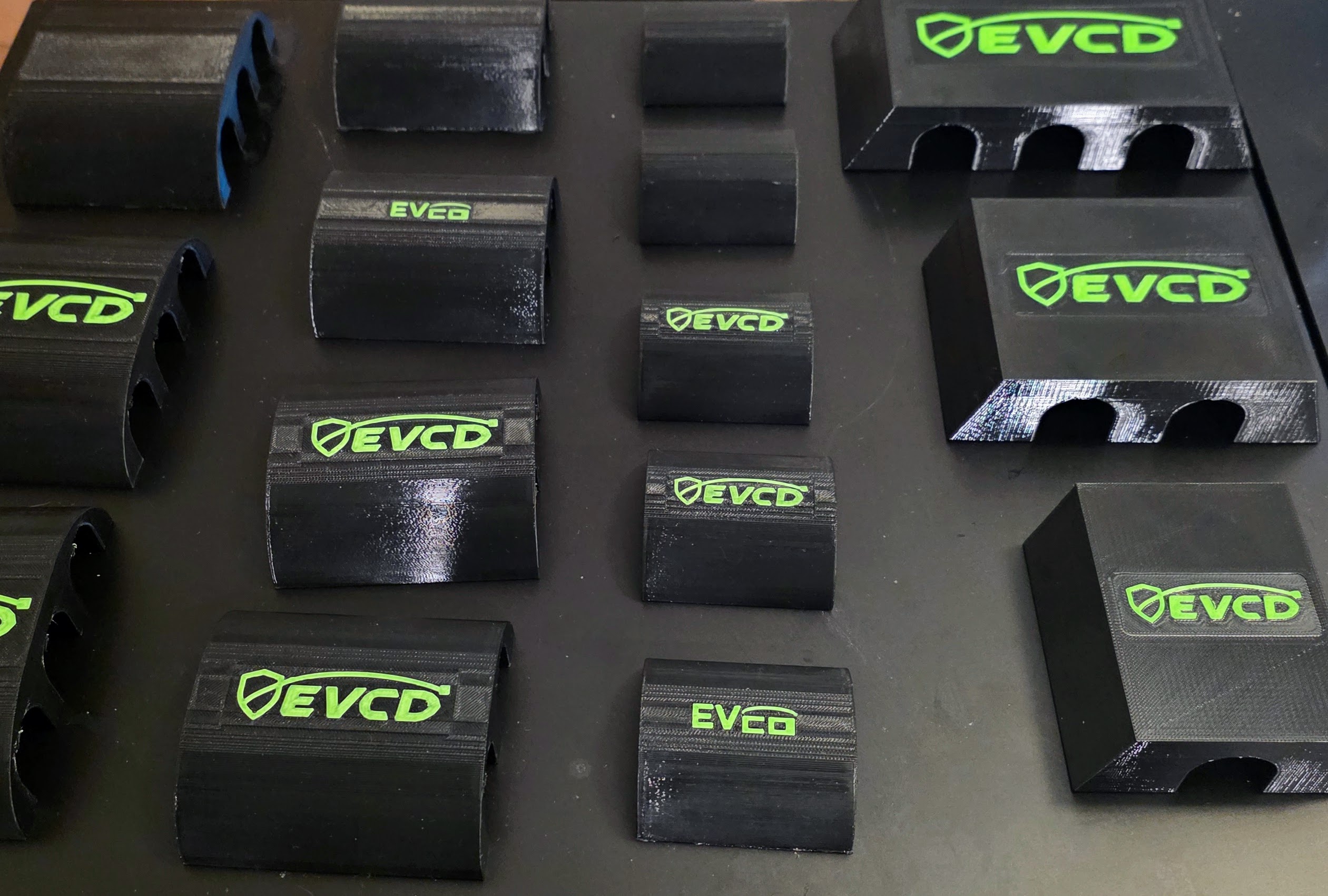
EV charging cable context
The white EV connector and black charging cable are shown beside the guards for scale. Measure the cable’s outside diameter before selecting a channel.
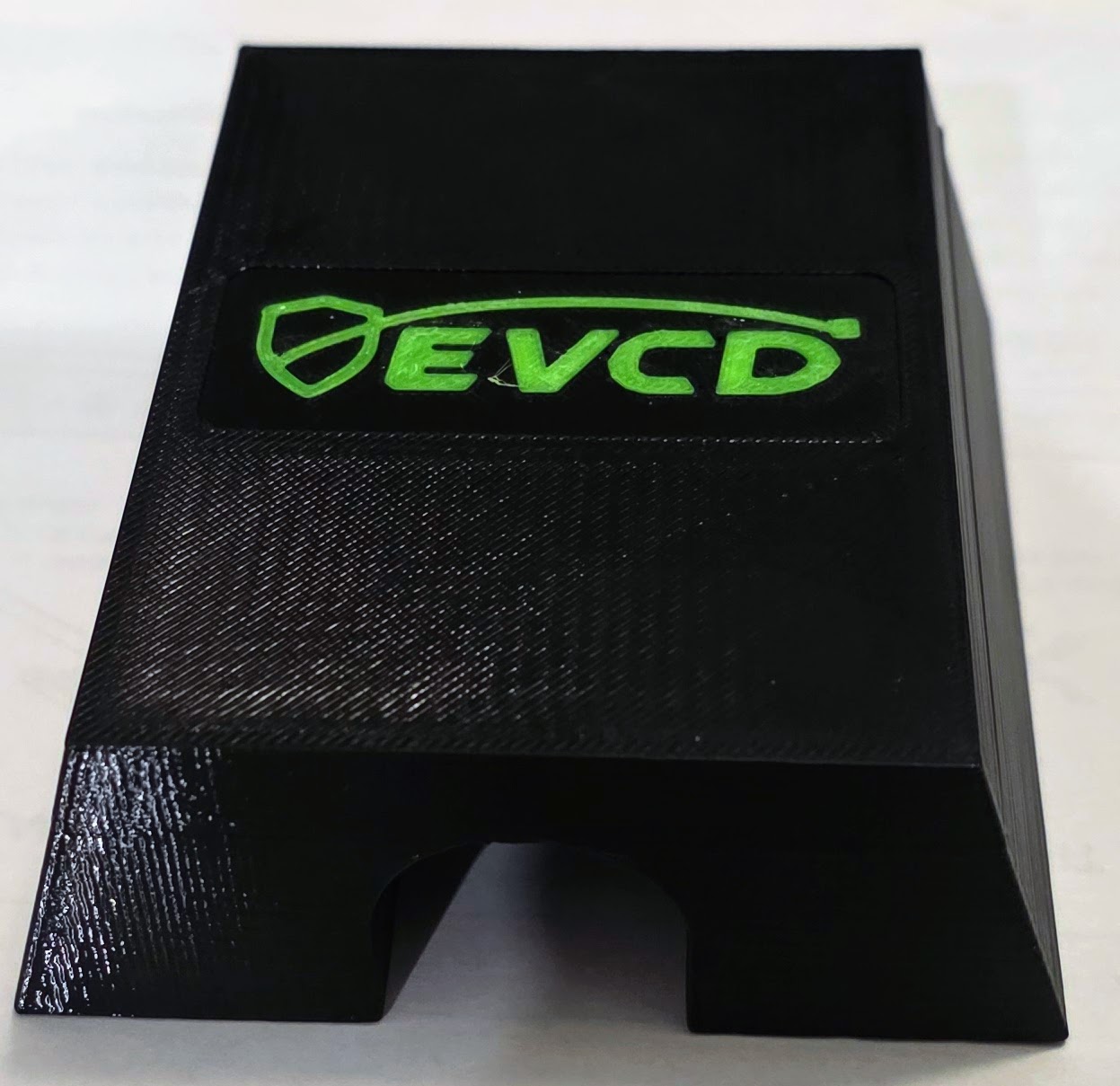
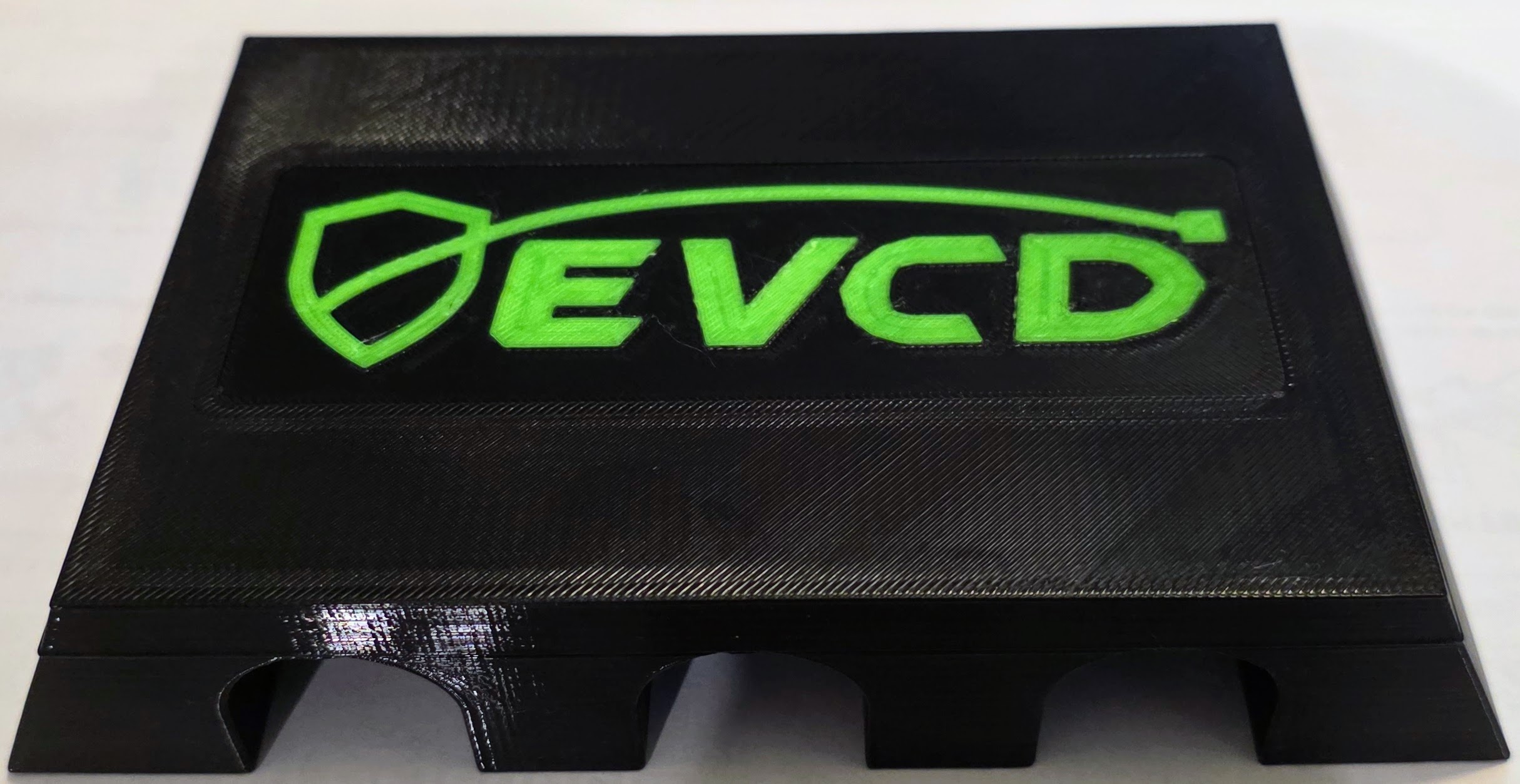
Current production family
Arc and Ridge profiles give you a compact single route or multiple independent channels for EV cables and compatible utility lines.
Why the Defender family exists
A compatible line sits inside a dedicated channel instead of directly under the door seal.
Route a line without leaving the garage fully open to outdoor heat, flies, and insects.
Duo and Trio models separate two or three compatible lines for multi-EV and mixed-use setups.
Position the guard at the threshold, route each line straight through, and verify the door before use.
One product family, several jobs
Single for a dedicated EV line. Duo for a two-EV household or one EV plus a utility line. Trio for the most routing flexibility.
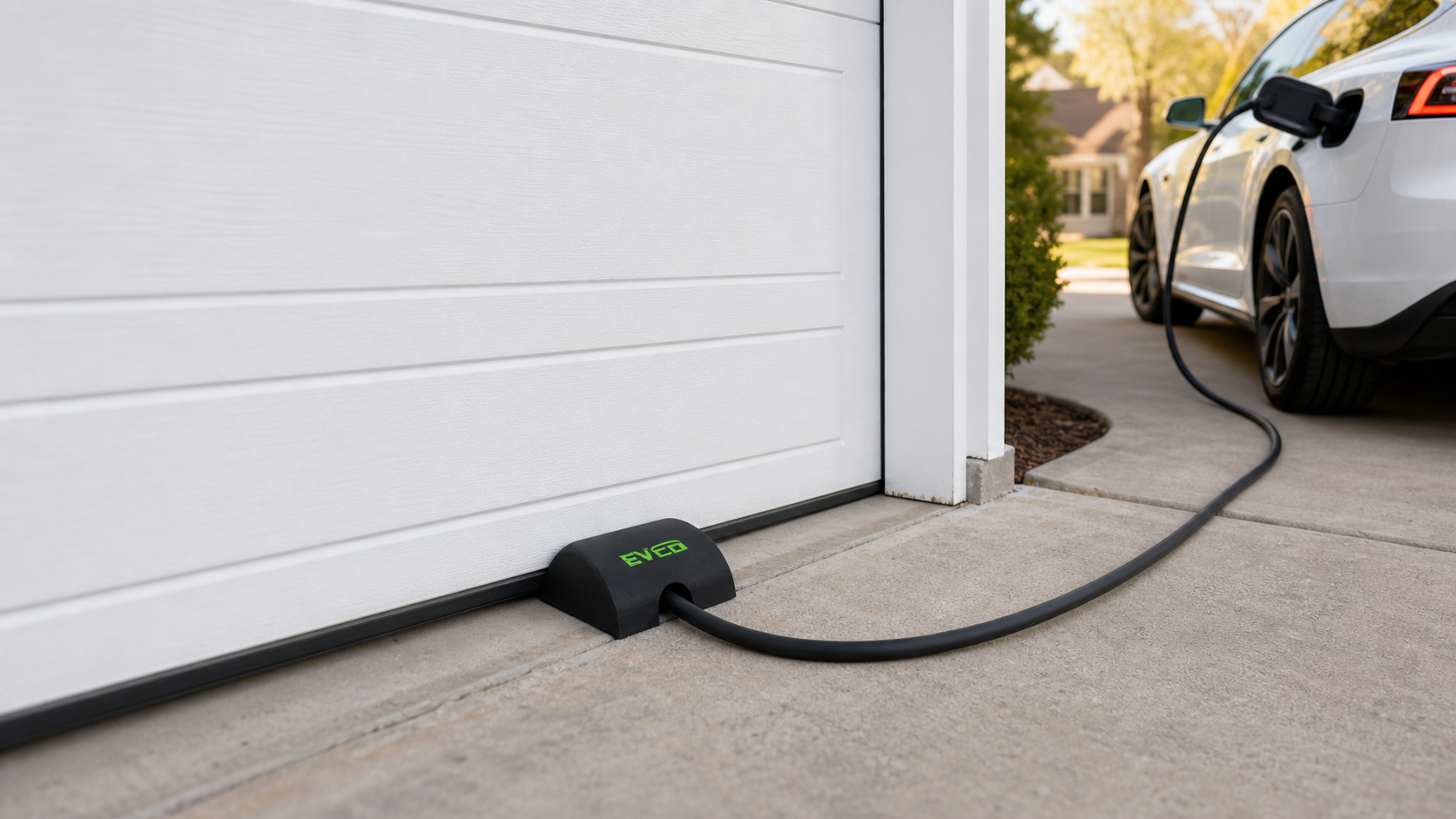 Concept illustration
The original use
Give a correctly sized Level 2 charging cable a dedicated route beneath the door instead of placing the cable directly at the pinch point.
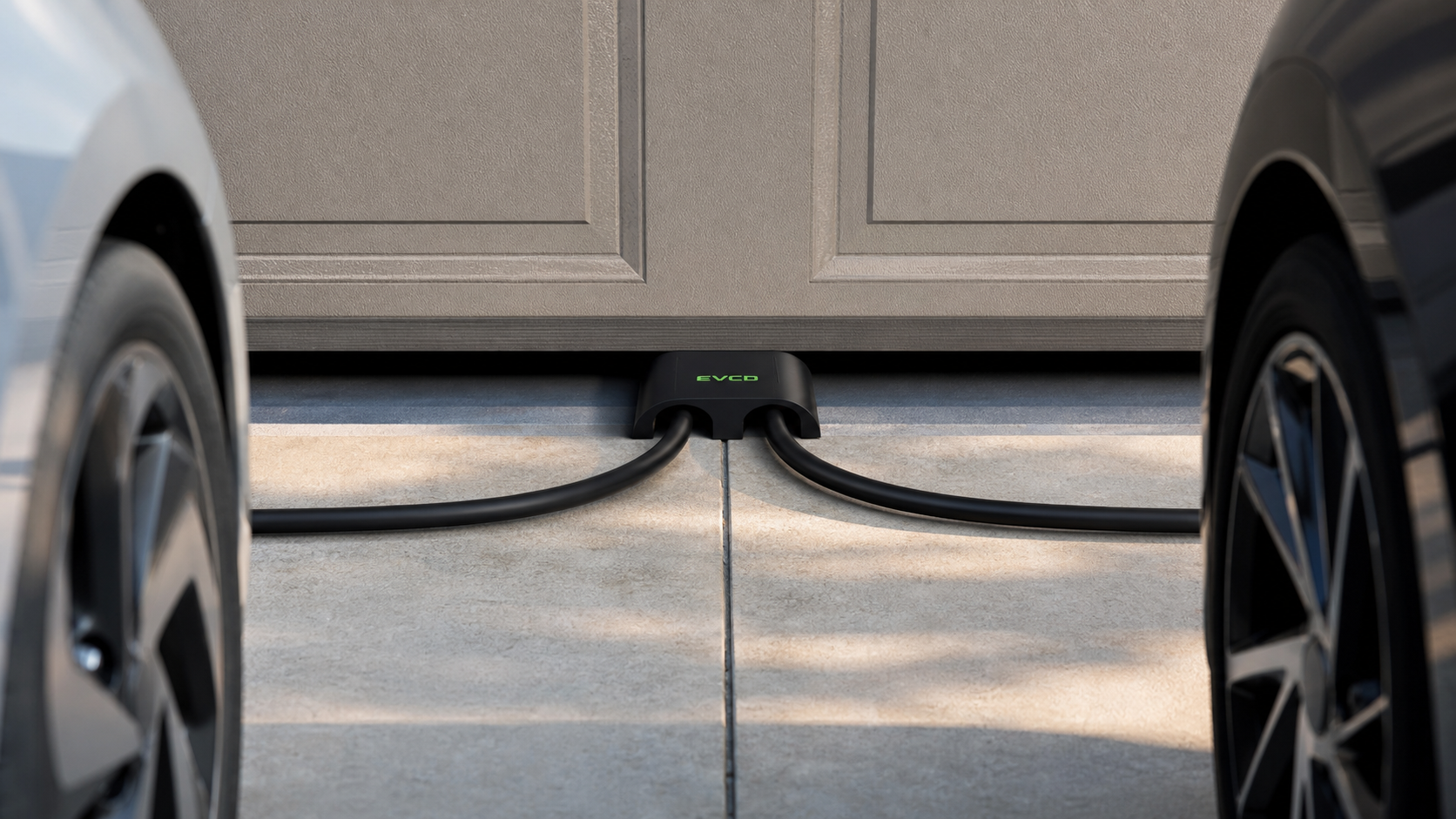 Concept illustration
For two-EV homes
Duo models organize two compatible charging lines while the garage door stays closed across the threshold.
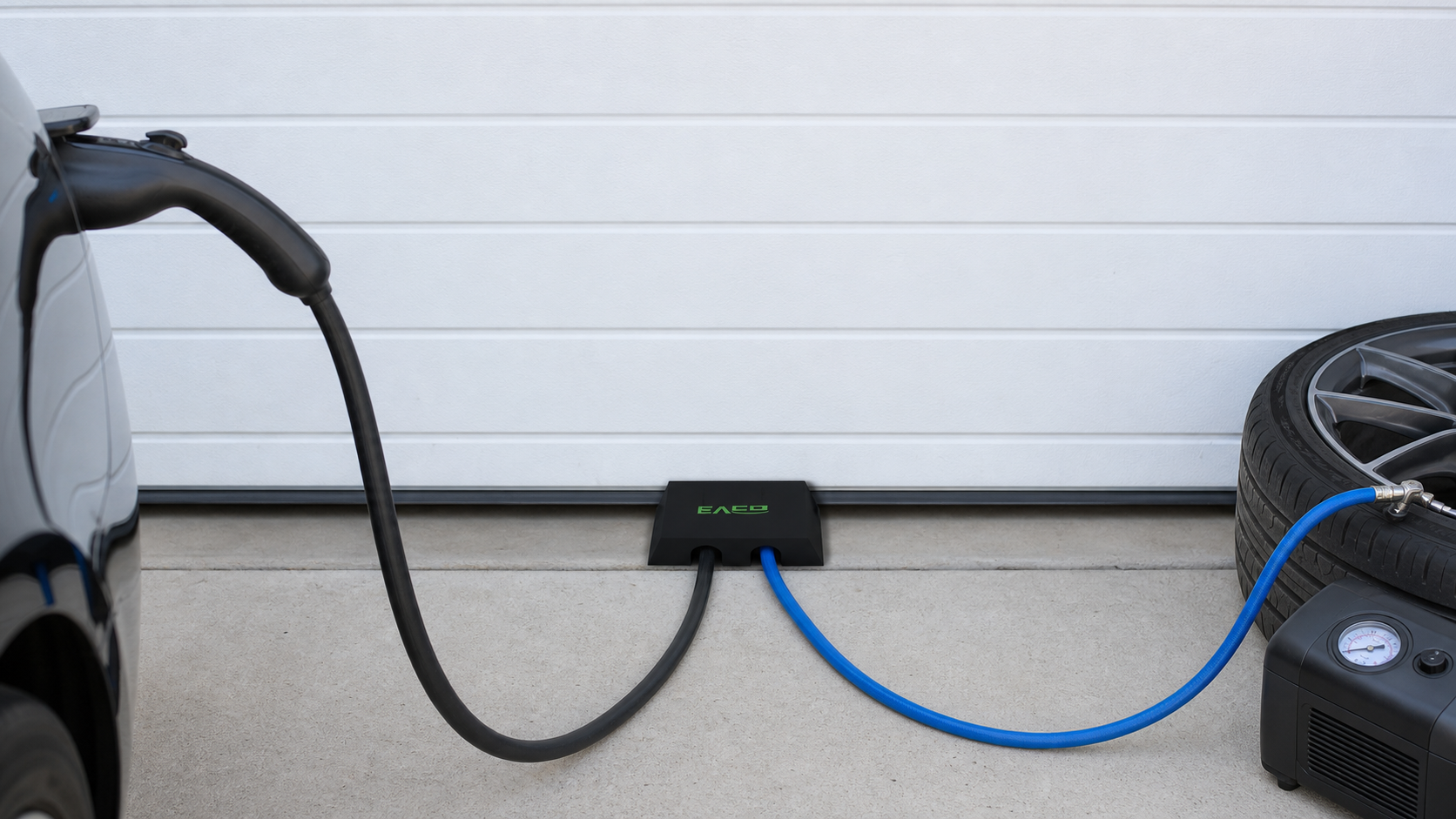 Concept illustration
Beyond charging
Use independent channels for a compatible EV cable and an air hose, extension cord, or low-voltage line—each measured before use.
Ridge Duo • two channelsTwo channels. One closed threshold.
The Duo can separate a compatible EV cable from an outdoor-rated extension cord, air hose, or other measured utility line. The extension cord shown is for tools—not EV charging.
The EVCD family
Choose Arc for the compact arched profile or Ridge for the reinforced flat-top footprint. Then select Solo, Duo, or Trio capacity.
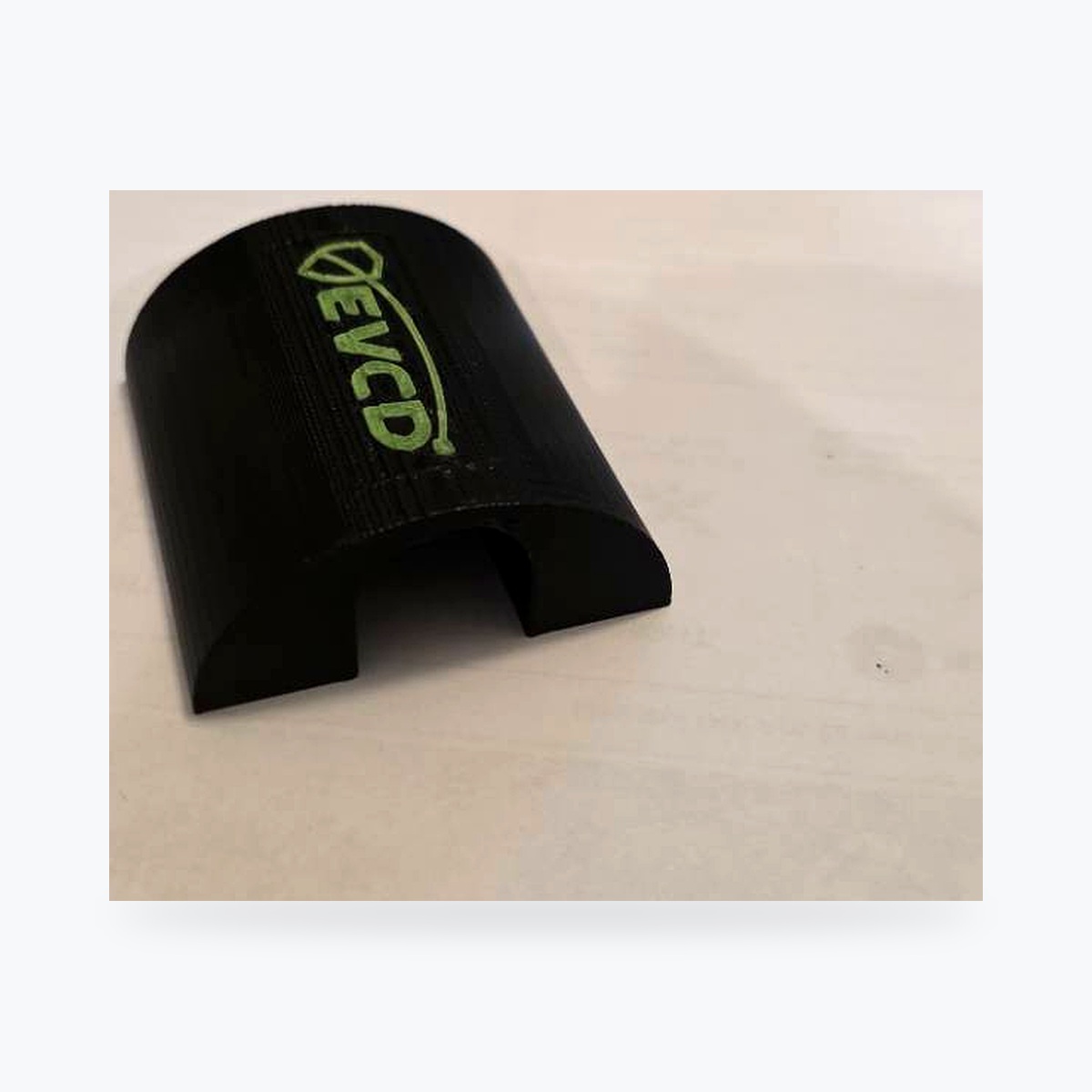
A compact, black PETG arch with one protected route for a correctly sized EV charging cable or utility line.
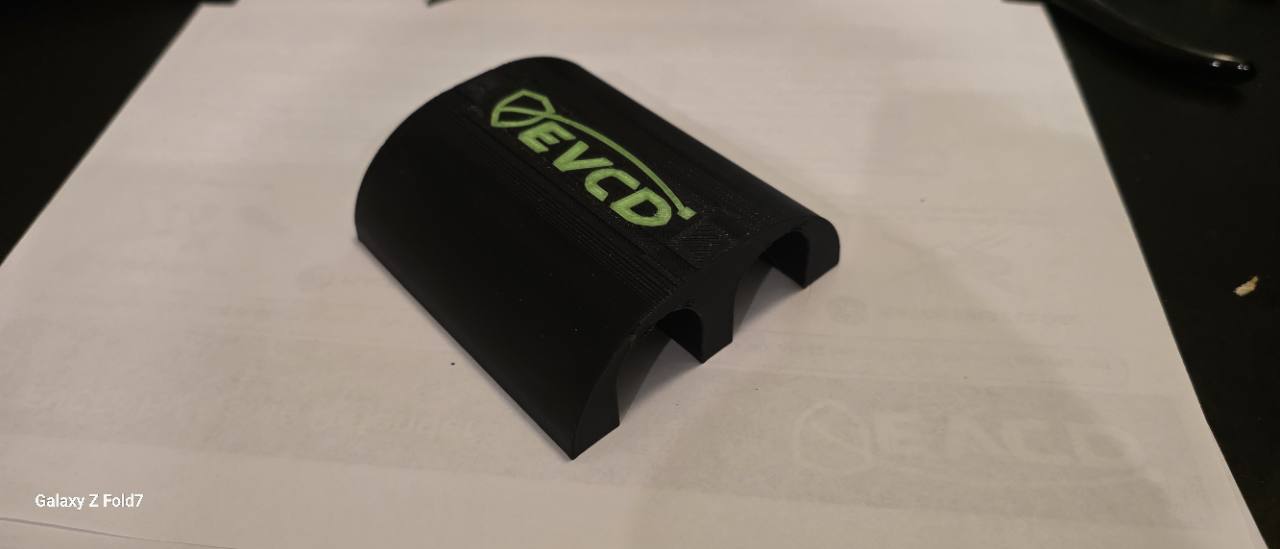
Two independent channels in a rounded arch body for two-EV homes and mixed garage projects.
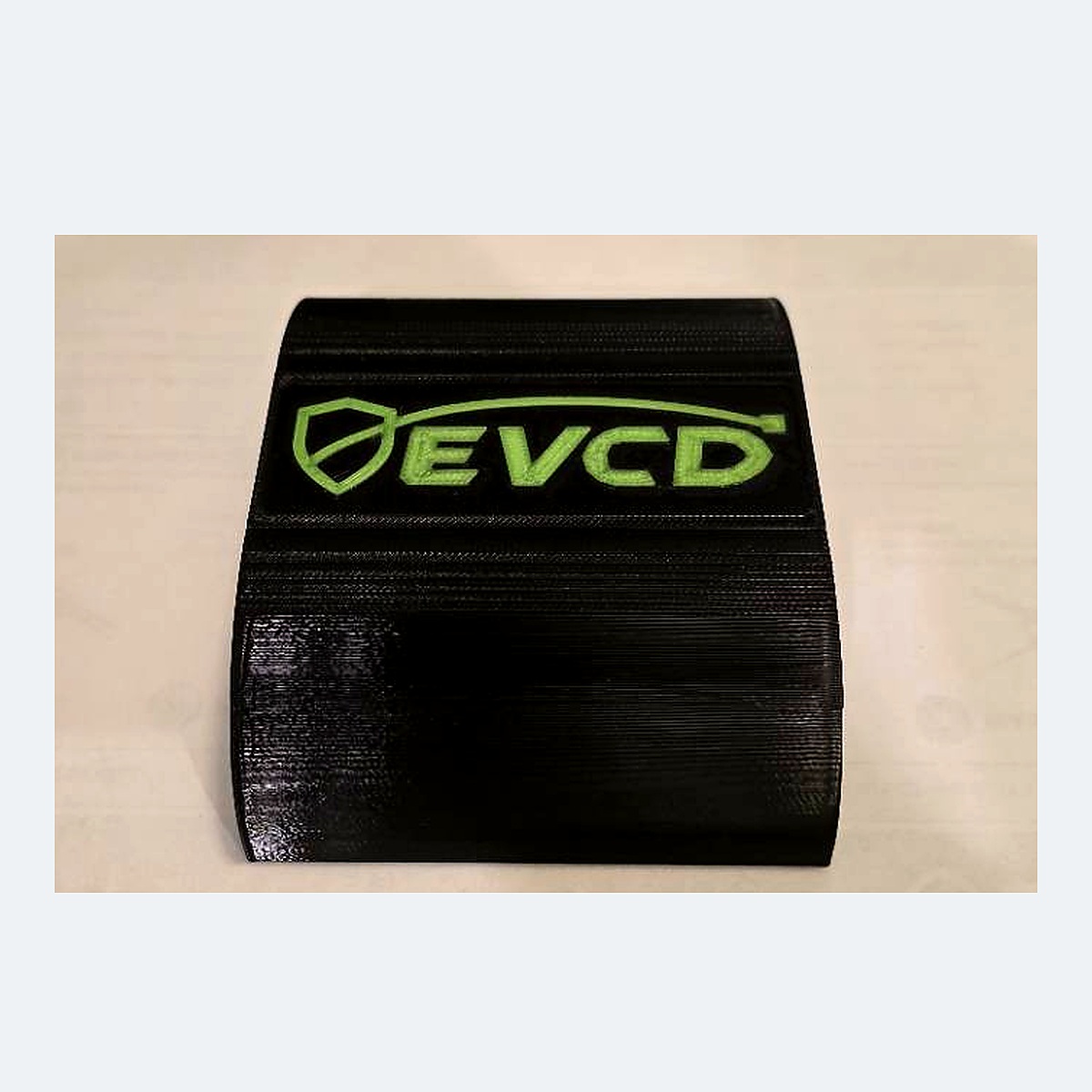
Three compact channels for charging cables, a compatible extension cord, air hose, or low-voltage line.
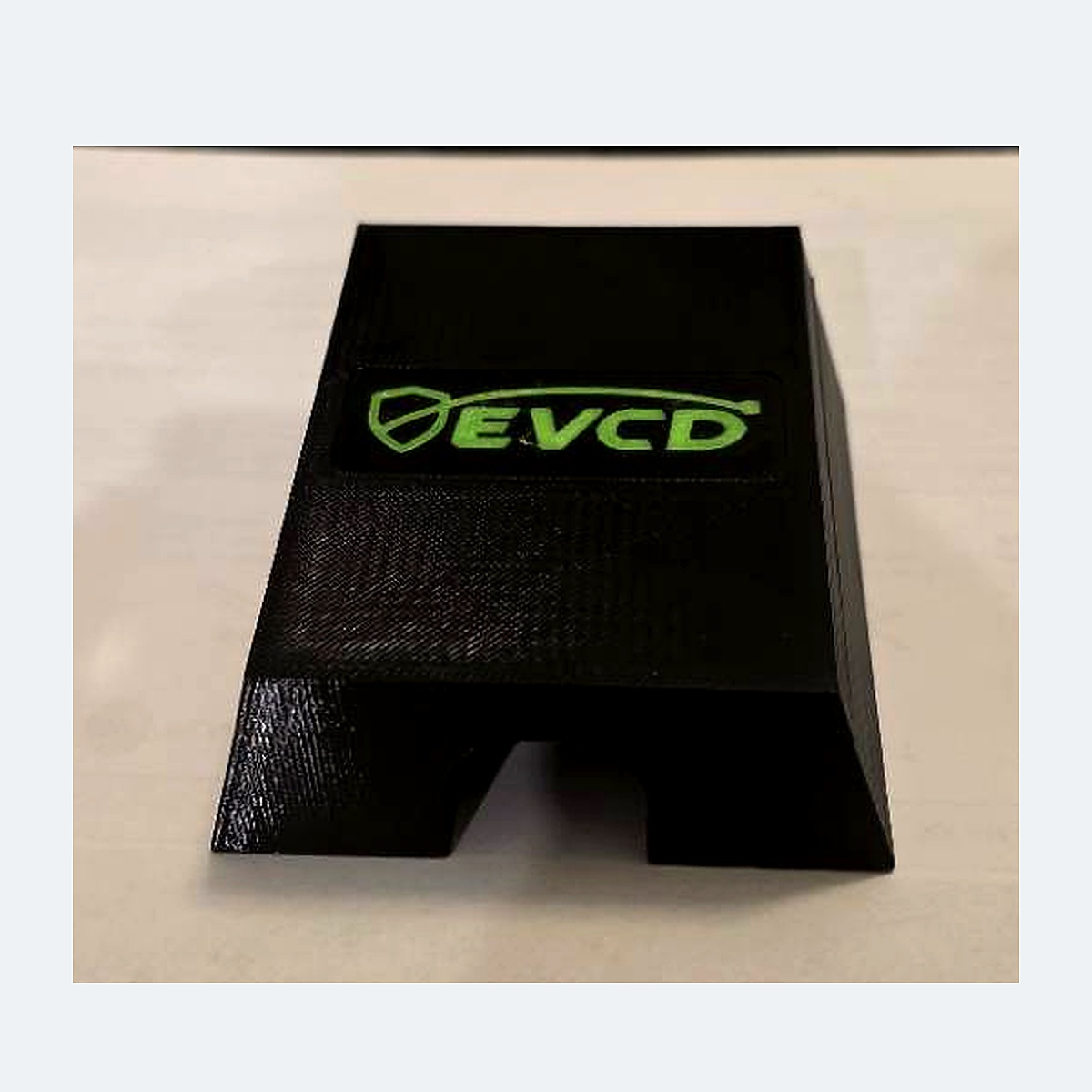
A reinforced flat-top body with a broad footprint and one larger channel for demanding garage thresholds.
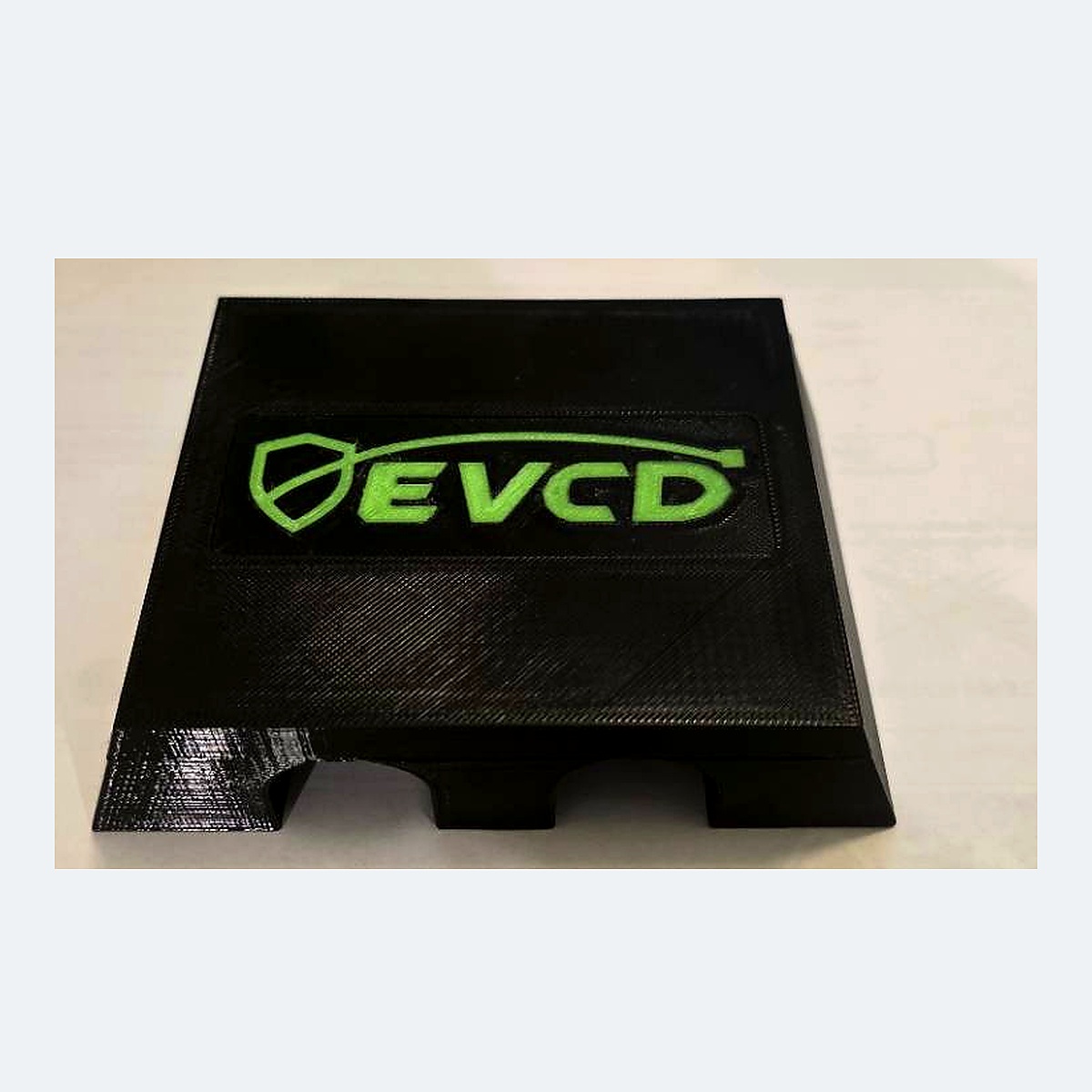
A dense, reinforced flat-top guard that separates two larger lines while distributing door contact across a wide base.
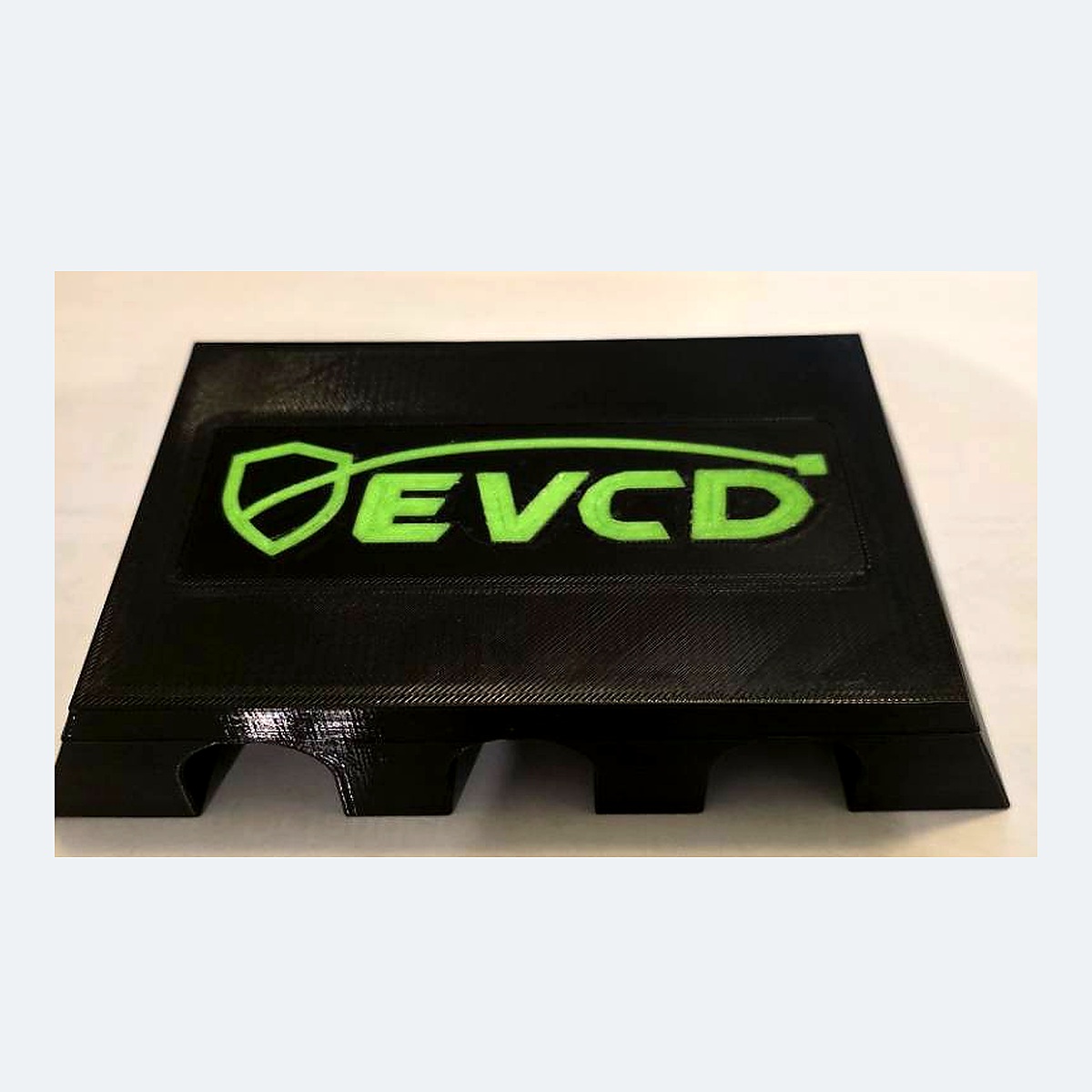
The largest EVCD combines three larger channels with the widest reinforced flat-top footprint.
The product cards use the approved R4 shield-and-cable EVCD mark over the current geometry references. Physical test-print photography is shown above; marketplace hero photos should be refreshed again as each production batch is photographed.
Where to buy
Shop the current Arc and Ridge models on eBay or Etsy. Each marketplace carries the complete six-model EVCD family.
Current marketplace
See the live Solo, Duo, and Trio listings across the Arc and Ridge profiles.
Browse all eBay listingsCurrent marketplace
Shop the same six-model family from the LREXPRESS storefront.
Browse all Etsy listingsAmazon and Poshmark are planned for a later release. Measure every cable before ordering; marketplace price and shipping details may vary.
Fast comparison
| Model | Channels | Max line OD | Overall size | Best for |
|---|---|---|---|---|
| Arc Solo | 1 | 22 mm | 59 × 63.75 × 24 mm | One compatible Level 1 or Level 2 EV charging cable |
| Arc Duo | 2 | 22 mm each | 82.8 × 90 × 29.5 mm | Two EV lines, or one EV line plus one utility line |
| Arc Trio | 3 | 22 mm each | 116.2 × 90 × 31.5 mm | Two EV lines plus a third compatible cord, hose, or line |
| Ridge Solo | 1 | 23 mm | 86 × 90 × 34.5 mm | One thicker EV cable or utility line needing a broad contact surface |
| Ridge Duo | 2 | 23 mm each | 130 × 90 × 34.5 mm | Two thicker EV cables or an EV cable plus a utility line |
| Ridge Trio | 3 | 23 mm each | 168 × 90 × 34.5 mm | Two EV lines plus a thicker extension cord, air hose, or utility line |
Support and setup
Keep the visual story up front. Find the complete, printable instructions here whenever you need to measure, place, route, and check the first close.
Included with every EVCD model
One clear, visual guide covers fit, placement, straight routing, and the first careful close. Read it before choosing a channel or placing a guard.
Black-and-white friendly. Designed to fold into every package.
Measure first. Route straight. Close gently.
Choose a model, confirm the outside diameter of every line, place the guard perpendicular to the garage door, and test door clearance before regular use.